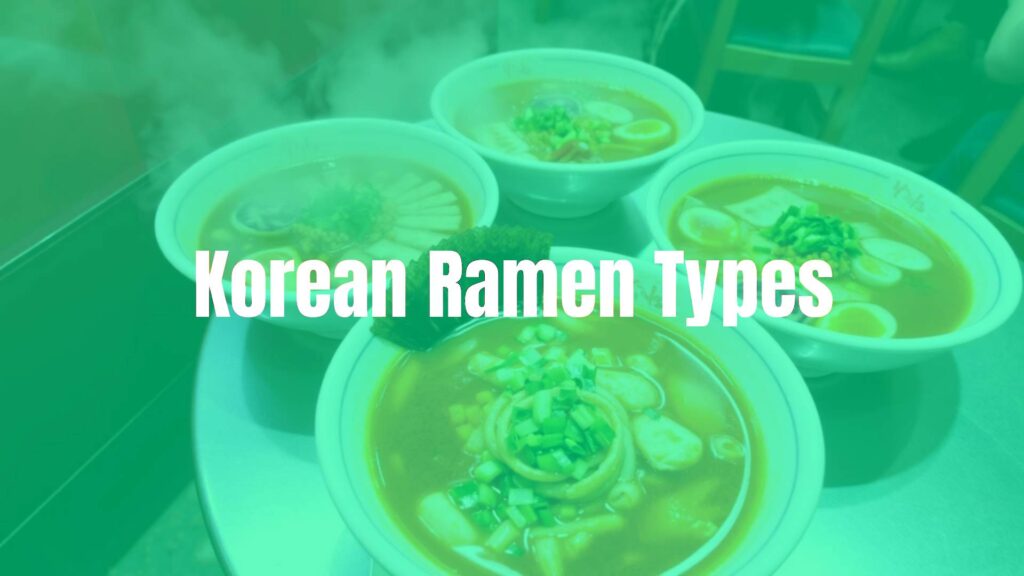
When people hear “ramen,” they often think of Japanese noodle soup. But Korean ramen, called “ramyeon” (sometimes spelled “ramyun”), is its own style with unique flavors. Korean ramen comes in many varieties-from very spicy to mild and even cold options. In this guide, you’ll learn what sets Korean ramyeon apart, see the different types, learn about well-known brands, discover how certain regions influence flavors, and get a look at common ingredients and broth types.
Korean ramyeon is a quick and filling meal found in almost every home and convenience store in South Korea. It’s more than just food; it’s a big part of Korean culture, known for comfort and convenience. Ramyeon is even used as a fun way to ask someone out! Whether you’ve tried many flavors or are new to this, there’s a lot to enjoy in the world of Korean ramen.

What Makes Korean Ramen Different?
Korean ramyeon stands out for a few main reasons. Unlike most Japanese ramen-famous for their deep, slow-cooked broths-you’ll usually find Korean ramyeon sold as instant noodles. That doesn’t mean the taste is simple. Korean ramyeon often features a signature spicy flavor, created from ingredients like red pepper and various seasonings. Many types have a strong umami taste and are quick to prepare, making them popular for all sorts of occasions, from a meal at home to a snack after a night out.
- Main difference: Japanese ramen is often fresh, served in restaurants, and takes hours to prepare. Korean ramyeon is mostly instant, made ready in a few minutes with hot water.
- Spicy flavors: Many types use red pepper for their typical red color and heat, but not all are spicy.
- Convenience: Ramyeon is about being quick and easy to make, fitting busy lifestyles.
Korean Ramen vs. Japanese Ramen
| Korean Ramyeon | Japanese Ramen |
|---|---|
| Mainly instant noodles Spicy and bold flavors Chewy, thicker noodles Ready in minutes | Mainly fresh, restaurant dishes Focus on deep, slow-cooked broths Lighter, fresh noodles Takes time to prepare |
In summary, Japanese ramen is often seen as a gourmet dish, while Korean ramyeon is quick, spicy, and easy for anyone to enjoy.

Instant Ramyeon vs. Restaurant Noodles
Most Korean ramen you see is instant, sold in packets or cups. It comes with dried noodles, powdered or liquid sauce, and often dried vegetable flakes. Just add boiling water and it’s ready fast. While there are restaurant noodle dishes in Korea-like jjamppong (spicy seafood soup) or kalguksu (knife-cut noodles)-these are usually fresh and not called “ramyeon.” However, many Korean restaurants use instant noodles in creative ways, adding different toppings or mixing with other flavors, making the simple instant noodle dish into something special.
Types of Korean Ramen
Korean ramen comes in many kinds. While spice is common, there are plenty of options from super hot to mild or even cold noodle dishes. Brands are always creating new flavors, so there’s something for every taste.
- Spicy Ramen: Signature hot, red broths
- Mild/Savory Ramen: Comforting, less spicy soups
- Seafood Ramen: Briny, sea-inspired flavors
- Black Bean Ramen: Jjajangmyeon-style with dark sauce
- Cheese/Creamy Ramen: Rich, cheesy or creamy flavors
- Cold Ramen: Chilled or mixed, perfect for summer
- Vegetarian/Vegan Options: Made with plant-based ingredients
Spicy Ramen
Spicy ramyeon is what many people picture when they think of Korean noodles. These are made with lots of chili and red pepper, giving a bold, hot flavor. Nongshim Shin Ramyun is perhaps the most famous, with its spicy broth, chewy noodles, and strong taste. For the bravest, there’s Samyang’s “Fire Noodles” (Buldak Bokkeum Myeon), known for being very hot and the subject of “spicy noodle challenges” online. If you want spicy with a twist, Buldak Carbonara mixes in creaminess with its hot sauce. You’ll find a range of spice, from tingly warmth to extremely spicy.

Mild and Savory Ramen
Not all Korean ramyeon is spicy. Some types are made to be milder for people who want less heat but still deep flavors. Paldo Gomtang is an example, offering a beefy, rich taste like traditional ox-bone soup. Samyang Foods’ oldest noodles started as chicken flavor and is now known for its milder, savory profile. Ottogi Sesame Ramyeon, based on eggs and sesame, is another mild choice-great with extra egg or cheese.
Seafood Ramen
Seafood is important in Korean cuisine, and there are many ramen varieties flavored with sea ingredients. Ottogi Jin Jjambbong is modeled after the Korean-Chinese spicy seafood soup, with noodles, dried veggies, and seafood like squid included in the packet. Nongshim Neoguri features thick noodles and a milder, salty seafood broth. For something lighter, Twigim Udong has a soft seafood taste thanks to fish cakes, and Nongshim’s Saeutang noodles focus on shrimp flavor.
Black Bean Ramen (Jjajangmyeon-style)
This type of ramen copies jjajangmyeon, a popular Korean-Chinese dish. Instead of soup, the noodles are covered in a deep, savory black bean sauce. Nongshim’s Chapagetti is well known and became even more famous after the movie “Parasite.” Paldo Jjajangmen goes further, with a thick, vegetable-filled sauce that tastes closer to the restaurant style. These noodles are usually mild and sweet, a favorite for children and anyone who doesn’t like much spice.

Cheese and Creamy Ramen
Adding cheese to ramen may be surprising, but it’s a popular trend in Korea. Cheese lowers the spiciness and adds a smooth, flavorful layer. Samyang’s Buldak Carbo Hot Chicken mixes fiery spice with cheese powder, making it taste similar to a spicy creamy pasta. Paldo Cheese Noodle is another option containing cheese for a smooth, rich experience. These types are best for people who like a little heat alongside creamy comfort.
Cold Korean Ramen
Cold ramen options are especially liked during hot weather. Paldo Bibimmen stands out-it’s inspired by Bibim Guksu, with spicy, tangy sauce and chewy noodles, served cold. Naengmyeon is another type, using buckwheat or sweet potato noodles in cold broth or spicy sauce. Mul Naengmyeon has a cold, clean beef or chicken broth, while Bibim Naengmyeon has noodles tossed in sauce. Kongguksu is a cold soybean soup with noodles, thick and filling, served with ice to cool down.
Vegetarian and Vegan Ramen
Korean food companies have started making more vegetarian and vegan options. While classic noodles often have meat- or fish-based seasonings, newer products offer vegetable-based soup stocks. Teumsae Ramyun, for example, is spicy but uses only vegetable ingredients in its broth. Plant-based ramen often contains dried vegetables, tofu, and seasonal produce. Always check labels if you need to avoid animal products, but it’s much easier now to find plant-based and even vegan Korean instant noodles.
Popular Korean Ramen Brands and Their Top Flavors
Three major companies lead the Korean ramyeon world: Nongshim, Samyang, and Ottogi. Each offers classic flavors that are well-loved in Korea and around the world.
| Brand | Famous Products | Key Flavors/Features |
|---|---|---|
| Nongshim | Shin Ramyun, Neoguri, Chapagetti | Spicy, umami broths; seafood options; black bean ramen |
| Samyang | Samyang Ramen, Buldak Bokkeum Myeon | Fire noodles (very spicy); creamy and flavored variations |
| Ottogi | Jin Ramen, Jin Jjambbong, Sesame Ramyeon | Affordable; beef, seafood, spicy and mild profiles |
| Paldo | Bibimmen, Gomtang, King Lid Noodles | Cold noodles, mild beefy options, specialty sauces |

Regional Korean Ramen Styles
Korean ramen flavors are also influenced by different parts of the country. Each region adds its own twist based on local ingredients, weather, and cooking habits.
Northern Korea: Mild and Clean Flavors
Ramen in northern parts of Korea usually has a lighter taste. Broths are often simple, made from things like anchovies, kelp, and light spices. The cold noodle dish mul naengmyeon, while not technically ramen, comes from this style-offering clear, fresh flavors and a good option for those who avoid spice.
Southern Korea: Spicy and Seafood-Heavy
Southern Korea is known for big, bold spices and lots of seafood. Kimchi is often added to noodles in this region, raising the heat and sourness. Areas by the sea (like Busan) make ramen with clam, prawn, and squid, resulting in savory, rich broths. Ottogi’s Jin Jjambbong represents these flavors, although as an instant noodle, it uses dried seafood and liquid seasoning for similar effect.
Common Ingredients and Broth Types in Korean Ramen
Korean instant noodles use a few basic elements:
- Noodles: Usually thick, chewy, and fried for instant preparation.
- Broth or sauce: What gives ramyeon its flavor-can be spicy, seafood-based, mild, or creamy.
- Dried flakes: Often include scallions, carrots, mushrooms, and sometimes bits of meat or fish.
Main Broth Types
- Spicy (Red Pepper-Based): Hot, red-colored soups made with chili and sometimes fermented chili paste. Nongshim Shin Ramyun is an example.
- Soy-Based: Milder soups with a savory, salty flavor, often paired with other ingredients.
- Seafood: Tastes of anchovy, shrimp, squid, or kelp. Often a bit spicy too, like Ottogi Jin Jjambbong.
- Bone Broth: Based on beef or ox bones, these are mild and savory, as in Paldo Gomtang.
- Egg/Sesame-Based: Less common, these rely on added egg or sesame for a mild, nutty taste (for example, Ottogi Sesame Ramyeon).
Common Toppings and Extras
- Eggs: Cracked in while cooking, makes the soup richer.
- Cheese: Added to tame spicy ramyeon, melts into the soup.
- Green onions: For color and sharp flavor.
- Kimchi: Adds crunch, spice, and sourness.
- Meat/Seafood: Slices of beef, pork, or leftovers; frozen seafood mix for seafood ramen.
- Fresh vegetables: Mushrooms, zucchini, or cabbage add taste and nutrition.
- Tofu: Silken tofu for a softer flavor, especially with spicy noodles.
- Rice: Some people finish leftover broth by adding cooked rice to soak up the flavors.

Frequently Asked Questions
- What is the spiciest Korean ramen? Samyang’s Fire Noodle (Buldak Bokkeum Myeon) and Ottogi Yeul Super Spicy Ramen are known for extreme heat. Shin Ramyun is spicy, but not as much as these two.
- Are there non-spicy options? Yes! Paldo Gomtang, Samyang Original, and Ottogi Sesame Ramyeon are examples of mild, savory ramyeon types.
- Is vegan or halal Korean ramen available? More brands are offering vegan options that use only plant-based ingredients. For halal choices, look for packaging with a halal stamp, as not all products are certified but more are joining the market to meet demand.
