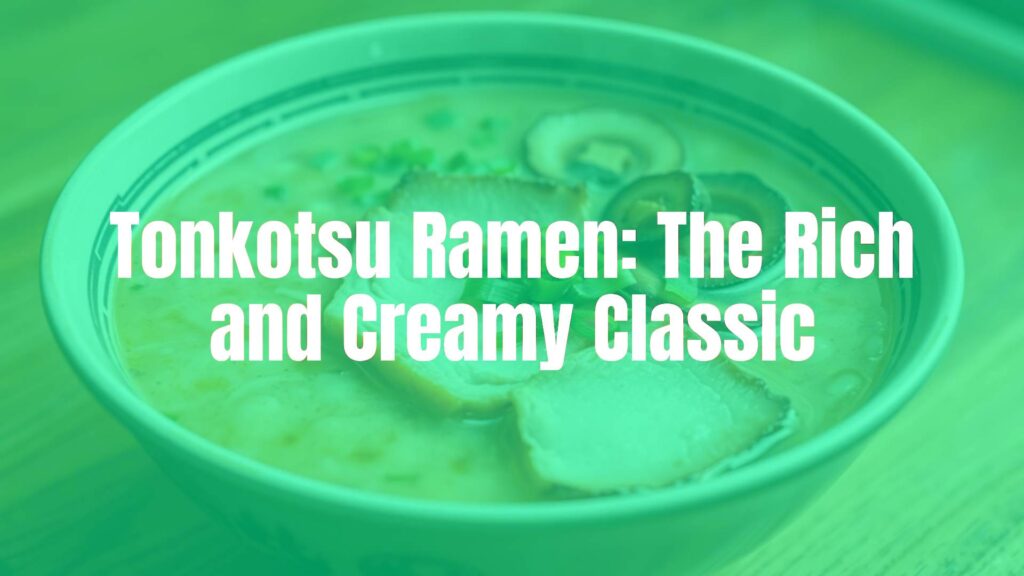
Discovering Tonkotsu Ramen: A Signature of Japanese Noodle Cuisine
Tonkotsu ramen stands as one of Japan’s most iconic comfort foods, renowned for its luscious, creamy pork bone broth. This ramen type captivates with its velvety richness and deep flavors, making it a beloved staple in ramen shops from Kyushu to abroad. In the world of noodle soups, tonkotsu ramen carves out a unique space, embodying the quintessence of hearty soul food and culinary craftsmanship.
Fundamental Elements of Tonkotsu Ramen
At the heart of tonkotsu ramen lies its signature broth, achieved by simmering pork bones (often with fat and collagen) for many hours—sometimes over a day. This process yields a broth of characteristic milky opacity and intense umami. Straight, thin wheat noodles are the typical companion to this ketogenic broth, chosen for their ability to soak up the savory liquid without overpowering it. Traditional toppings include chashu (braised pork belly), wood ear mushrooms, green onions, and a marinated soft-boiled egg. Aromatic oils and a striking dollop of garlic or spicy condiment often complete the bowl.
Signature Flavors and Textures: What Makes Tonkotsu Ramen Stand Out
Tonkotsu ramen is widely celebrated for its full-bodied, almost creamy mouthfeel—rich but not greasy when balanced well. Expect deep pork flavors, gentle sweetness, and a subtle undercurrent of garlic or ginger. While the roots of tonkotsu ramen are found in the Hakata region of Fukuoka, local variations persist: some versions are saltier, others lighter or even heavier depending on specialty shops. Diners can sometimes select their preferred noodle firmness, further tailoring the texture experience.
The Story and Evolution of Tonkotsu Ramen
This ramen style originated in Fukuoka, on the southern Japanese island of Kyushu, as a quick, nourishing meal for workers. It has since evolved into a culinary phenomenon, inspiring ramen shops worldwide to re-create or innovate upon the classic recipe. Tonkotsu ramen’s transformation from a humble regional dish to an international favorite reflects both its enduring appeal and the creativity of modern chefs, who experiment with new toppings, broth infusions, or fusion elements while respecting the essence of the original.
Topping Traditions and Creative Additions for Tonkotsu Ramen
The classic tonkotsu bowl is topped modestly to let the broth shine: slices of chashu pork, green onions, kikurage mushrooms, and a ramen egg (ajitama) are mainstays. Some shops offer a sprinkle of toasted sesame, pickled ginger, sheets of nori, or even spicy miso paste for added dimension. Adventurous eaters might try additional garnishes like black garlic oil (mayu), extra chili threads, or crunchy fried garlic chips. At home, consider adding greens such as spinach or bok choy, sweet corn, or bamboo shoots to put a personal touch on the classic configuration.
Maximizing the Tonkotsu Ramen Experience: Home and Restaurant Tips
When making tonkotsu-style ramen at home, patience is key—the hallmark creamy broth demands a long, slow simmer using pork bones. For convenience, high-quality ramen kits or pre-made concentrate can offer a shortcut to the signature flavor. When dining out, seek ramen shops that allow you to customize noodle firmness or broth richness to your liking. Don’t hesitate to request extra toppings, or try side dishes like gyoza or fried rice for a more elaborate meal pairing.
Nutritional Aspects and Diet-Friendly Variations
Tonkotsu ramen’s richness means it is higher in fat and calories than lighter ramen styles, but it’s also deeply satisfying. To lighten the bowl, opt for leaner pork cuts or swap the traditional pork bone broth for a chicken or plant-based alternative. Gluten-free noodles or shirataki can accommodate those with dietary restrictions. For a vegetarian twist, some creative cooks make a “tonkotsu-style” broth using mushrooms, kelp, and plant-based fats to echo the creamy texture and savory core without using animal products.
The Lasting Allure of Tonkotsu Ramen
Tonkotsu ramen continues to win hearts worldwide for its sumptuous, heartwarming qualities and endless adaptability. Whether you savor its traditional form or experiment with modern twists, the depth and satisfaction of tonkotsu ramen offer a culinary experience that lingers long after the last slurp.
