Introduction to Chinese Ramen Soup
Chinese ramen soup is an intriguing culinary fusion that marries Chinese noodle traditions with the Japanese ramen experience. While ramen is globally recognized as a Japanese staple, its origins and continuing evolution are deeply intertwined with Chinese cuisine, especially when it comes to noodle soups. This hybrid style fuses the rich, brothy flavors of Chinese soups with the springy noodles and curated toppings of ramen, creating a dish that stands uniquely at the crossroads of both food cultures.
What Defines Chinese Ramen Soup?
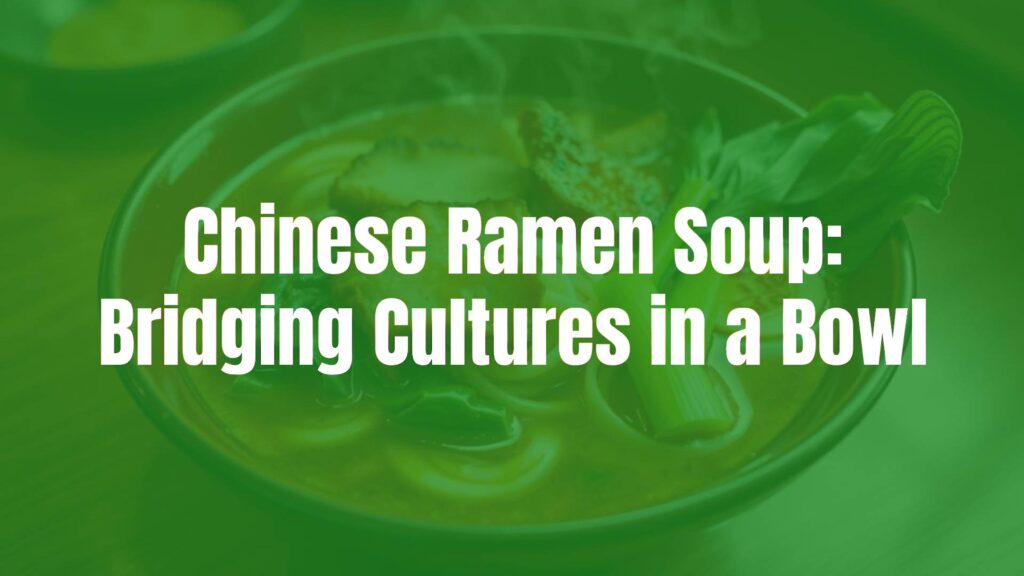
Chinese ramen soup can be identified by its use of classic Chinese-style broths—think clear yet deeply flavored chicken, pork, or beef bases, often enriched with aromatics like ginger, scallions, and star anise. The noodles may range from wheat-based lo mein to hand-pulled lamian, striking a balance between chewiness and silkiness. Toppings often reflect Chinese preferences: sliced roast pork (char siu), bok choy, bamboo shoots, and sometimes a soft-boiled egg or tofu. The method of preparation often involves long-simmered broths and quick, high-heat finishing techniques, showcasing both depth and freshness.
Key Characteristics and Flavor Profile of Chinese Ramen Soup
What sets Chinese ramen soup apart is its delicate, layered flavors—aromatic, umami-rich broths that aren’t as fatty as Japanese tonkotsu but hold more aromatics and spice than a typical shio ramen. Expect a harmonious blend of savory, subtle sweetness, a touch of pepper, and gentle herbal notes. Texture plays a key role: noodles maintain a springy bite, while vegetables remain crisp. Depending on the region or chef, Chinese ramen soup can skew mild and clear or embrace chili heat and Szechuan influence, offering a spectrum of experiences within one bowl.
The Unique Appeal and Evolution of Chinese Ramen Soup
The story of Chinese ramen soup is one of migration and adaptation. Noodle soups have a long and storied history in China, with styles like lamian (hand-pulled noodles) predating the Japanese ramen phenomenon. When these soup noodles made their way to Japan, they inspired the creation of ramen as we know it today. In turn, contemporary Chinese ramen soups reintroduce those borrowed elements, sometimes blending Japanese techniques (like noodle cutting or egg marinades) back into Chinese frameworks. This evolving dish stands as a testament to global culinary exchange, managing to feel both comfortingly familiar and refreshingly novel.
Popular Toppings and Customization Ideas for Chinese Ramen Soup
Some favored toppings include slices of five-spice braised pork, Chinese greens (like bok choy or choy sum), wood ear mushrooms, bamboo shoots, and crispy fried shallots. For added richness, a drizzle of sesame oil, chili crisp, or even a touch of black vinegar brings a distinctive kick. Creative customization can involve adding shrimp wontons, pickled mustard greens, or swapping traditional wheat noodles for a gluten-free rice variety. Those seeking extra protein may add marinated eggs or tofu cubes for heft and flavor.
Tips for Enjoying Chinese Ramen Soup at Home or Out
To make the best of Chinese ramen soup at home, focus on building depth in your broth by simmering bones and aromatics for extended periods. Seek out authentic noodles—most Asian groceries carry wheat noodles suitable for this style. Experiment with your favorite toppings, balancing savory meats with fresh and pickled vegetables for contrast. When dining out, inquire about the broth base and noodle type to tailor your experience, and don’t be afraid to ask for extra greens or a side of chili oil to enhance the flavors.
Nutritional Considerations and Dietary Adaptations for Chinese Ramen Soup
Chinese ramen soup can be tailored to a wide range of dietary needs. Opt for lean meats or tofu for lighter options, and load your bowl with vegetables to boost fiber and nutrients. Those avoiding gluten can seek restaurants that offer rice noodles or mung bean threads. For vegetarian or vegan takes, substitute classic broths with savory mushroom or miso bases, and add tofu or seitan. Adjust spice levels easily by modulating chili toppings and use low-sodium soy sauce or miso to control salt content.
Conclusion: The Enduring Charm of Chinese Ramen Soup
Chinese ramen soup is a celebration of culinary adaptation and tradition. Bridging the best elements of Chinese and Japanese noodle culture, it offers comforting depth, a vibrant palate of flavors, and limitless opportunity for personalization. Whether enjoyed as a nostalgic dish or an exciting new bowl, Chinese ramen soup continues to captivate noodle lovers with its unending versatility and cross-cultural appeal.
