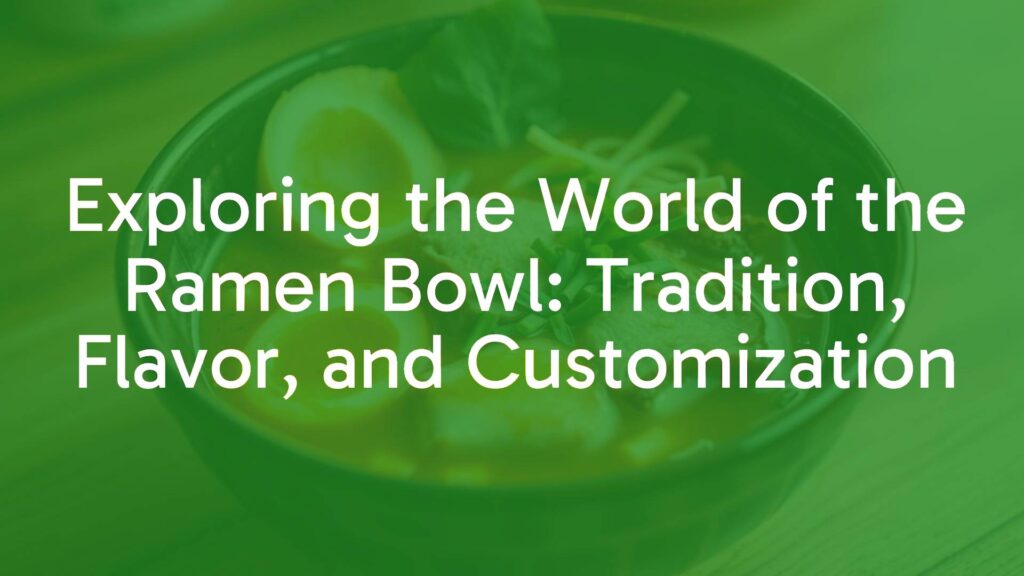
An Immersive Look at the Ramen Bowl
The ramen bowl is more than just a vessel for noodles—it’s a culinary experience that captures the heart of Japanese comfort food. Recognized globally, the ramen bowl stands as a symbol of warmth, community, and endless creativity within the genre of noodle soups. Each bowl tells a unique story, inviting both seasoned gourmets and newcomers to savor its depths.
What Constitutes a Classic Ramen Bowl?
A traditional ramen bowl combines an aromatic broth, springy wheat noodles, a selection of carefully balanced toppings, and garnishes to deliver a complete and satisfying dish. The fundamental elements that define a ramen bowl include:
- Broth: Can be shoyu (soy sauce–based), shio (salt-based), miso (fermented soybean paste), or tonkotsu (pork bone).
- Noodles: Typically made from wheat, ranging from thin and straight to thick and wavy, tailored to accentuate the broth.
- Toppings: Essentials like sliced chashu pork, soft-boiled eggs, menma (bamboo shoots), nori, and scallions provide variety and depth.
- Assembly: Each element is arranged with care to balance flavors, textures, and visual appeal, making every ramen bowl a feast for the senses.
Signature Traits and Taste Profile of the Ramen Bowl
The hallmark of a well-crafted ramen bowl is its harmonious layering of flavors. Depending on the broth base and regional style, ramen can be rich and creamy, light and clear, spicy, or tangy. The noodles absorb and carry the soup’s essence without losing their bite, while toppings add bursts of umami, freshness, or crunch. Regional specialties—like Hokkaido’s miso ramen or Hakata’s tonkotsu—showcase local nuance, but all share a foundation of warmth and complexity.
Distinctiveness and Growth of the Ramen Bowl Culture
What truly sets the ramen bowl apart is its adaptability. Throughout Japanese history, ramen has evolved—from Chinese-influenced origins to a staple in street stalls and modern gourmet establishments. Its cultural relevance is immense, with each bowl reflecting local flavors, personal creativity, and evolving trends. Global popularity has spurred innovation, bringing everything from vegan ramen bowls to unconventional fusion creations to the scene.
Favorite Toppings and Personalization Tips
Customizing a ramen bowl is part of the fun! Traditional toppings include:
- Ajitsuke Tamago (Marinated Egg): Creamy yolks balance savory broths.
- Chashu Pork or Chicken: Slow-braised meats that melt in your mouth.
- Menma: Fermented bamboo shoots with a gentle crunch.
- Nori (Seaweed): Adds briny layers and visual contrast.
- Scallions and Fresh Greens: Inject brightness and aroma.
For creative twists, consider pickled vegetables, chili oil, sesame seeds, corn, or even a drizzle of truffle oil. Vegetarians might opt for tofu or roasted mushrooms, while spice lovers can kick up the heat with togarashi or sriracha.
How to Best Savor the Ramen Bowl Experience
Whether enjoying ramen at home or in a bustling eatery, savoring a ramen bowl is about appreciating the interplay of broth, noodles, and toppings. At home, select high-quality noodles and build broths that suit your taste—experiment with aromatics, stocks, and seasonings. Restaurants often feature specialty bowls; don’t hesitate to try unique local styles or chef’s recommendations, and remember, slurping is encouraged!
Nutritional Insights and Adaptations for the Ramen Bowl
While a ramen bowl can be hearty and filling, nutritional value varies by ingredients and preparation. Lighter broths and an abundance of vegetables can boost healthfulness, while lean proteins and reduced-sodium options help fit dietary goals. For gluten sensitivities, rice noodles or gluten-free varieties can be substitutes. Vegan and vegetarian versions thrive with umami-rich mushrooms, kombu-based broths, and plant-based toppings.
The Everlasting Attraction of the Ramen Bowl
The ramen bowl remains a beloved staple because of its endless versatility and deep cultural roots. Whether you’re seeking comfort, adventure, or creative expression, every bowl offers new possibilities and a moment of connection—proving that ramen is much more than just noodles in soup, but rather a cherished culinary journey.
