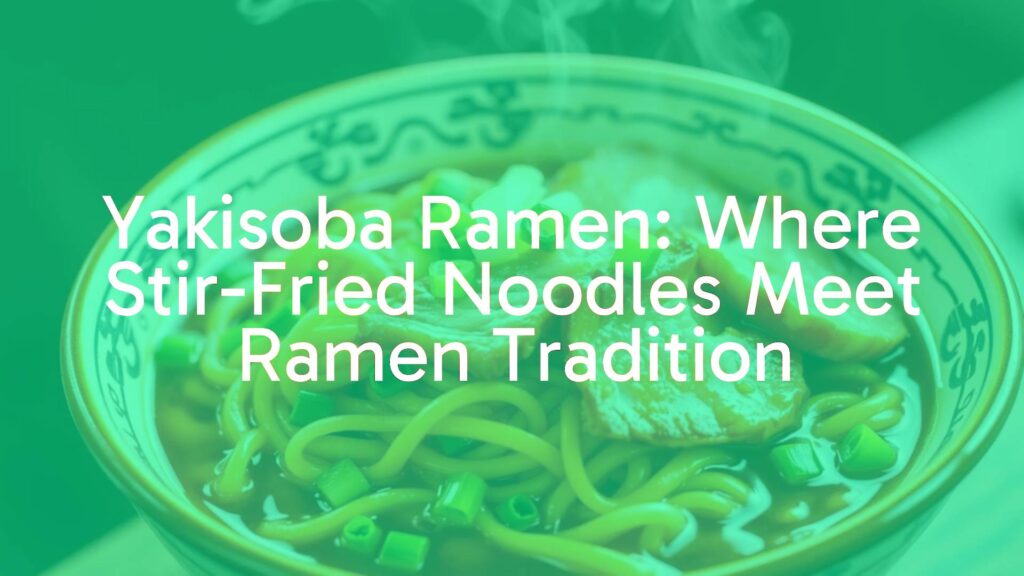
Introducing Yakisoba Ramen: A Fusion of Two Noodle Icons
Yakisoba ramen brings together the beloved qualities of Japan’s classic ramen and the vibrant, stir-fried appeal of yakisoba. This innovative dish showcases how two popular noodle traditions can unite, offering a unique culinary experience that is greater than the sum of its parts. Drawing from both the hearty, soupy world of ramen and the bold flavors of street-style yakisoba, yakisoba ramen has found a foothold among food enthusiasts looking for something both familiar and new.
Distinguishing Features of Yakisoba Ramen
What sets yakisoba ramen apart is its hybrid preparation and presentation. This dish typically features ramen-style noodles, which are often slightly chewier than traditional yakisoba noodles, bringing a satisfying bite to each forkful or slurp. The defining element is the use of yakisoba's characteristic stir-frying method, which imparts a smoky aroma to the noodles, often combined with a savory-sweet sauce blend reminiscent of both ramen broths and yakisoba seasonings.
Unlike standard ramen—usually served in a bowl of hot broth—yakisoba ramen often balances a light sauce with just enough moisture to imbue flavor without turning the dish into a soup, though some variations incorporate a small amount of broth for extra depth. Standard toppings include sliced pork or chicken, crisp cabbage, carrots, and bits of scallion, often finished with pickled ginger or a sprinkling of seaweed.
Signature Flavors and Texture of Yakisoba Ramen
This fusion dish is vibrant and packed with umami, with a harmonious mix of sweet, salty, and slightly tangy notes from the sauce. The noodles themselves remain slightly springy, while the vegetables retain a pleasing crunch from quick stir-frying. Aromatics such as garlic and ginger often play supporting roles, and the optional inclusion of a light broth can add subtlety and warmth.
Regional interpretations might swap traditional pork for seafood or tofu, and some versions up the spice level with chili oil. The dish's versatility leads to endless flavor profiles, making it a favorite among those who crave ramen innovation.
Origins and Evolution of Yakisoba Ramen
While ramen and yakisoba have distinct roots—ramen typically tracing back to Chinese wheat noodles in broth, and yakisoba inspired by Chinese chow mein—yakisoba ramen is a relatively recent phenomenon. It emerged from the creativity of modern Japanese cooks eager to blend the celebratory street-food spirit of yakisoba with the comforting richness of ramen. The result is a dish that appeals to fans of both, reflecting the adaptability of Japanese cuisine over time. As fusion cuisine gains popularity worldwide, yakisoba ramen stands as a testament to culinary innovation and the ever-growing ramen repertoire.
Exciting Toppings and Customization Options
Yakisoba ramen is a canvas for infinite topping creativity. Popular options include thinly sliced chashu pork, grilled chicken, crunchy tempura bits (tenkasu), and a shower of powdered seaweed (aonori). For added freshness, heap on bean sprouts, julienned carrots, or snow peas. Those seeking classic yakisoba flavor may add a drizzle of Japanese mayonnaise and a sprinkle of pickled ginger (beni shoga). For a spicy kick, a dash of shichimi togarashi or a drizzle of chili oil works wonders. Personalize it further with soft-cooked eggs, roasted sesame seeds, or even a handful of corn for sweetness.
Enjoying Yakisoba Ramen: At Home and Beyond
Whether dining out or creating your own version at home, yakisoba ramen offers flexibility and fun. When making it yourself, consider experimenting with different noodle textures—ramen noodles for chewiness, or even soba for a nutty undertone. Use a big pan or wok to achieve the signature stir-fried aroma. If eating out, look for restaurants or food stalls specializing in fusion ramen dishes, and don’t hesitate to ask for custom toppings to match your taste. For convenience, high-quality store-bought yakisoba or ramen kits can be used as a base, then elevated with your preferred proteins and vegetables.
Nutrition and Dietary Adaptations
While yakisoba ramen can be hearty, it need not be heavy. Opt for lean meats or try firm tofu for a high-protein, vegetarian option. Incorporate a variety of vegetables to boost fiber and nutrients, and moderate the amount of sauce for a lighter dish. For gluten-free needs, use gluten-free ramen or soba noodles and ensure the sauce is made with tamari rather than soy sauce. Vegan eaters can omit animal proteins and focus on mushrooms, tofu, and plant-based toppings to craft a satisfying bowl that honors the spirit of the original.
Yakisoba Ramen: A Contemporary Comfort
Yakisoba ramen continues to capture the hearts and palettes of noodle lovers around the world. Its dynamic combination of stir-fried technique and ramen tradition makes it both comforting and exciting—a perfect dish for those who love to experience culinary creativity. Whether tried at a bustling food market or made in your own kitchen, yakisoba ramen exemplifies the best of Japanese fusion cuisine, offering familiarity alongside new flavors with every bite.
