Introducing Topokki Ramen
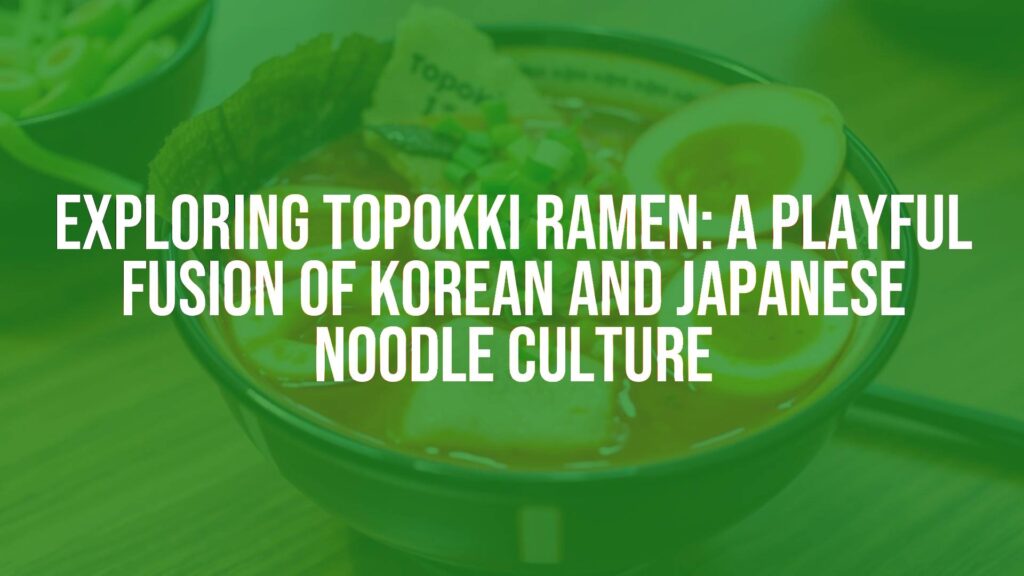
Topokki ramen is an imaginative and satisfying fusion dish that brings together the chewy rice cakes of Korea’s beloved tteokbokki (also spelled topokki) with the rich, slurpable noodle soup world of ramen. This hybrid creation has captured the attention of food lovers eager to enjoy the best elements of both Korean and Japanese comfort foods, offering a uniquely flavorful experience that’s bold, chewy, and immensely satisfying.
What Makes Topokki Ramen Distinctive?
At its core, topokki ramen is defined by the harmonious combination of Korean rice cakes (tteok) and ramen noodles, both simmered in a punchy, typically spicy broth. The broth is often based on gochujang (fermented Korean chili paste) and may include Korean fish cakes, scallions, and hard-boiled eggs—ingredients found in classic tteokbokki. However, the addition of ramen noodles and sometimes even Japanese-inspired elements (like nori sheets or seasoned bamboo shoots) creates a playful cross-cultural twist. This dish can be easily adapted to different levels of spice and broth richness, and is celebrated for its blend of textures from the soft, chewy tteok to the springy noodles.
Signature Flavors and Textures in Topokki Ramen
The typical flavor profile is spicy, mildly sweet, and deeply savory, with a noticeable umami boost from gochujang and sometimes soy sauce. The broth tends to be thick and slightly sticky, thanks to the starch released from the rice cakes. Depending on the recipe, it can veer from moderately fiery to extremely spicy, with contrasting elements such as soft-boiled eggs or creamy processed cheese sometimes added for balance. In terms of texture, the chewy rice cakes and slippery noodles provide a pleasing contrast, making every bite interesting and satisfying. Some versions are soupier (more ramen-like), while others are saucy and rich, echoing the traditional tteokbokki style.
The Evolution and Popularity of Topokki Ramen
Topokki ramen represents a modern street-food innovation, reflecting the spirit of culinary experimentation found across Asia’s food scenes. The mash-up likely emerged in Korea, where both ramen and tteokbokki are longtime street food stars. Its rise in popularity can be traced to young diners and students seeking affordable, filling, and exciting meals. Internationally, the dish is gaining traction as more people seek cross-cultural flavors and playful new takes on familiar comfort foods. The appeal is not only in taste but in the way it brings together two traditions in one satisfying bowl.
Popular Toppings and Personalization Options
Building your own topokki ramen bowl opens up a world of creative possibilities. Popular toppings include:
- Sliced fish cakes (eomuk)
- Hard- or soft-boiled eggs
- Sliced scallions or leeks
- Sesame seeds for extra nuttiness
- Shredded mozzarella or processed cheese (for a creamy finish)
- Kimchi or pickled radish for tangy contrast
- Seaweed (nori strips) or dried laver flakes
- Toasted garlic or chili oil for an extra kick
Spice lovers can adjust the gochujang content, add sliced fresh chilies, or top with chili flakes. For texture, tossing in vegetables like cabbage, mushrooms, or carrots adds color and nutrition.
Enjoying Topokki Ramen at Home or in Restaurants
For a homemade version, look for Korean rice cakes and gochujang at Asian grocery stores, and select your favorite ramen noodle variety—instant or fresh both work well. Don’t be afraid to experiment with different broth bases or add unexpected toppings. When dining out, check for topokki ramen at Korean fusion eateries or noodle houses offering modern takes on traditional dishes. Many restaurants allow you to choose your spice level or add-ons, so tailor your bowl to your personal preferences.
Nutrition and Dietary Adaptations
Topokki ramen is typically high in carbohydrates due to the combination of rice cakes and noodles, and it can be quite filling. To lighten it up or adapt to specific dietary needs:
- Vegetarian/Vegan: Use vegetable broth, substitute plant-based fish cake or skip animal-based toppings, and ensure the gochujang is vegan (some versions contain seafood ingredients).
- Gluten-Free: Choose gluten-free ramen or rice noodles, and check all sauces for hidden gluten sources.
- Adjusting spice: Control the amount of chili paste or add cooling ingredients like cheese or egg.
- Protein boost: Incorporate tofu, tempeh, or lean meats to make it more balanced.
As always, portion control and topping choices can help make this treat fit your individual nutritional requirements.
Why Topokki Ramen Captivates Noodle Lovers
Topokki ramen is more than a fleeting food trend; it celebrates creativity and the joy of combining beloved Asian comfort foods in new, exciting ways. Its adaptability, bold flavors, and playful textures ensure it remains a favorite, whether enjoyed in a bustling Korean eatery or homemade with friends. This dish exemplifies how culinary boundaries can be deliciously blurred, offering a comforting embrace to both ramen and tteokbokki fans alike.
