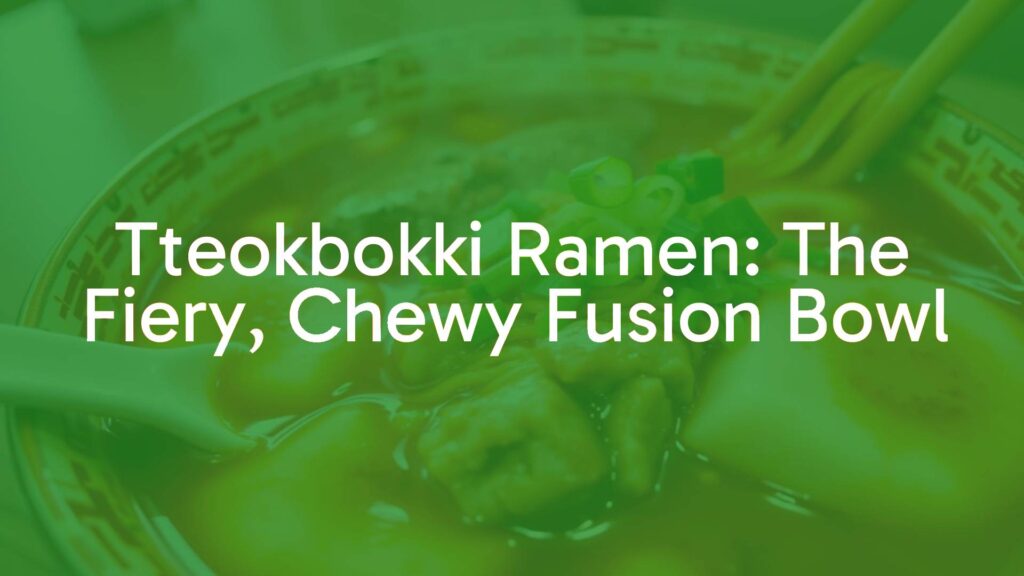
An Introduction to Tteokbokki Ramen
Tteokbokki ramen is a bold fusion dish that brings together two beloved Korean comfort foods: the chewy, spicy charm of tteokbokki rice cakes and the slurp-worthy satisfaction of instant ramen noodles. Bursting with vibrant flavors, this hybrid bowl has captured the hearts (and taste buds) of food lovers across Asia and beyond, standing out for its addictive heat, hearty texture, and playful spirit in the world of noodle soups.
What Sets Tteokbokki Ramen Apart?
At its core, tteokbokki ramen is defined by its dynamic blend of chewy cylindrical rice cakes (tteok) and soft, springy ramen noodles, all bathed in a fiery red sauce. This sauce, the soul of the dish, is typically made from gochujang (Korean red chili paste), gochugaru (chili flakes), soy sauce, and a touch of sweetness. While traditional tteokbokki features fish cakes and cabbage, tteokbokki ramen amps up the comfort factor with instant ramen cakes that absorb the spicy, savory flavors. Preparation often involves simmering the rice cakes until tender, then adding ramen noodles just before serving for the perfect consistency.
Signature Tastes and Textural Delights
Expect an invigorating balance of spicy, sweet, and umami notes in every spoonful. The chewy rice cakes offer a satisfying bite, while the noodles soak up the robust broth. Aroma-wise, there’s a pungent blend of chili, garlic, and a touch of smokiness. Regional and personal tweaks are common—some versions embrace extra ingredients, like cheese for richness, or seafood for added depth of flavor.
The Distinct Allure and Evolution of Tteokbokki Ramen
Tteokbokki ramen’s greatest appeal lies in its innovative blend of street food nostalgia and modern comfort. Originally, tteokbokki was a prized Korean street snack, while ramen (or ramyeon) gained cult status through instant noodle flavors. The fusion became popular in Seoul’s late-night eateries and quickly spread to home kitchens, celebrated for its satisfying heat and versatility. Today, it is a staple for students, families, and anyone seeking a warming, hearty meal with a kick.
Top Toppings and Creative Enhancements
Classic tteokbokki ramen often stars sliced fish cakes (eomuk), hard-boiled eggs, scallions, and sesame seeds. Melty cheese—either mozzarella or processed slices—is a popular modern twist that softens the heat and adds creaminess. Sautéed onions, cabbage, enoki mushrooms, or even spam and bacon are frequently tossed in for extra flavor. For a unique crunch, try topping with toasted seaweed flakes or crushed sesame crackers once served!
Best Practices for Savoring Tteokbokki Ramen
Whether enjoying at home or in a restaurant, start with quality ingredients: fresh tteok for optimal chewiness, your favorite instant ramen, and authentic Korean chili pastes. Consider prepping the rice cakes ahead by soaking if they’re refrigerated or frozen. Customizing spice, sweetness, and umami levels invites endless experimentation—add extra aromatics like garlic, tweak the broth with anchovy stock, or play with different noodle shapes for variety in texture.
Nutrition and Dietary Twists
Tteokbokki ramen is hearty and filling, due to its combination of carbs and savory broth. For lighter versions, use less gochujang and add more vegetables. Making the bowl vegan is simple: skip fish cakes and use plant-based broth or dashi, and ensure the ramen is egg-free. For gluten-free needs, replace wheat noodles with gluten-free ramen or glass noodles and verify that the chili sauces are suitable. Adjusting spice is a cinch—reduce the gochugaro or add a dash of milk to mellow the heat.
Why Tteokbokki Ramen Remains a Favorite
Fusing two iconic Korean street foods, tteokbokki ramen is a dish that thrills with both comfort and excitement. Its fiery red broth, satisfying textures, and adaptability to personal preference have ensured its popularity, making it a must-try for lovers of bold, innovative cuisine. Whether looking for nostalgic warmth or a spicy adventure, this creative ramen style offers a delicious reminder of how culinary traditions evolve and inspire.
