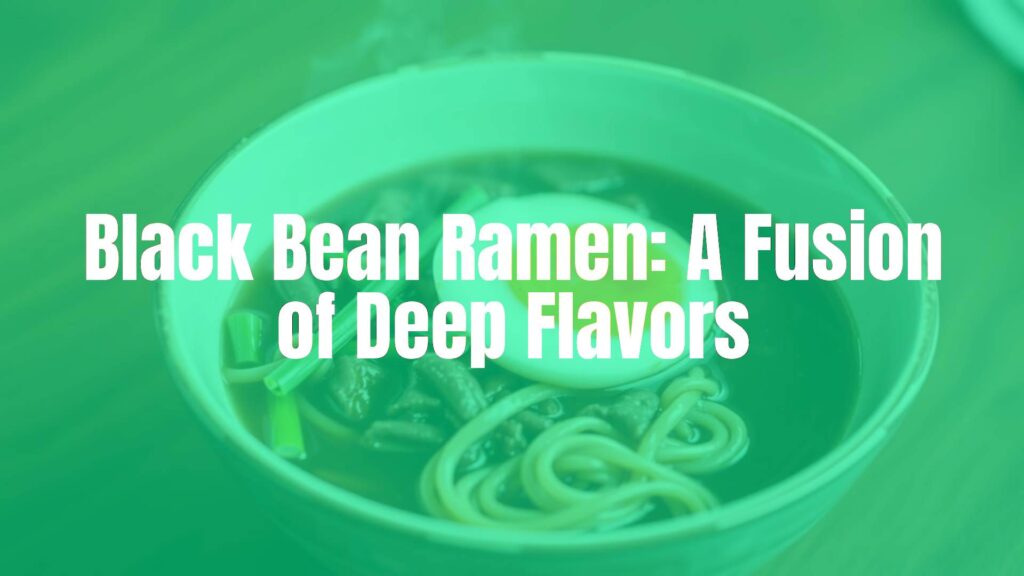
Introduction to Black Bean Ramen
Black bean ramen offers a captivating fusion between East Asian comfort food and bold, savory flavors. By spotlighting the deep, earthy richness of fermented black beans (often known in Chinese cuisine as douchi), this ramen style stands out in the ever-expanding universe of noodle soups. Its unique taste profile draws inspiration from both Japanese ramen traditions and broader pan-Asian influences, making it a favorite among adventurous eaters and fans of umami-driven cuisine.
What Sets Black Bean Ramen Apart?
The hallmark of black bean ramen lies in its broth, typically enriched with fermented black bean paste or whole black beans. This results in a soup base that is darker in color and more robust in flavor than many conventional ramen styles. The noodles used are often chewy wheat-based varieties, chosen to stand up to the boldness of the broth. Toppings frequently include stir-fried vegetables, soft-boiled eggs, scallions, and sometimes tender slices of pork or tofu—each thoughtfully selected to complement the distinctive taste of black beans. Preparation often involves sautéing aromatics like garlic and ginger with the black bean paste before layering in stock and toppings.
Distinctive Tastes and Textures of Black Bean Ramen
The flavor profile of black bean ramen is complex and hearty, marked by a profound umami depth, gentle saltiness, and slight bitterness native to fermented black beans. The broth may have smoky or garlicky undertones and, in some variations, a subdued spicy kick. Texturally, grains of black bean or pieces of sautéed vegetables provide contrast to the springy noodles and creamy eggs. Regional adaptations might add chili crisp, extra soy sauce, or pickled vegetables, offering a range of taste experiences under the black bean ramen umbrella.
The Story and Growth of Black Bean Ramen
While black bean sauces have been a staple in Chinese and Korean cooking for centuries—think of jajangmyeon or black bean stir-fries—black bean ramen is a more modern development. It emerged as creative chefs sought to blend the beloved flavors of black bean with the Japanese ramen format, resulting in a dish that nods to tradition yet embraces innovation. Its popularity has grown in ramen shops and home kitchens alike, especially in cosmopolitan cities and among food enthusiasts eager to explore new flavor frontiers.
Recommended Toppings and Ideas for Further Customization
Classic accompaniments to black bean ramen include sliced chashu pork, marinated or soft-boiled eggs, wilted spinach, scallions, bamboo shoots, and sesame seeds. For added dimension, consider roasted broccoli, chili oil, sautéed mushrooms, or a spoonful of pickled ginger. Vegan or vegetarian versions shine with pan-fried tofu, crispy shallots, or bok choy. For diners who love heat, a drizzle of Szechuan pepper oil or fresh chili slices introduces an extra layer of complexity. Adding nori sheets or fermented vegetables like kimchi gives even greater depth.
Tips for Enjoying Black Bean Ramen at Home or in Restaurants
To fully appreciate black bean ramen at home, focus on sourcing high-quality fermented black beans or paste from Asian markets. Take care to sauté the beans with aromatics until fragrant before adding your broth, ensuring a rich base. Wheat ramen noodles with a springy bite work best, but gluten-free alternatives are available. When dining out, look for eateries known for inventive or fusion ramen; don’t hesitate to ask about spice levels and ingredient origins to deepen your meal experience.
Health Notes and Adaptations for Various Diets
Black bean ramen is inherently protein-rich and packed with umami, thanks both to the beans and optional meat or tofu toppings. For lighter versions, choose a vegetable-based broth and load up on greens and mushrooms. To make the dish vegetarian or vegan, opt for eggless noodles, use plant-based broths, and substitute tofu or tempeh for animal proteins. Gluten-free ramen noodles made from rice or millet can be used for those avoiding wheat. Spice and sodium levels can be modified to suit personal preference, making this style versatile for many eaters.
Lasting Allure of Black Bean Ramen
Black bean ramen continues to captivate food lovers with its distinctive look, bold taste, and satisfying heartiness. Whether enjoyed in a bustling ramen-ya or recreated with a personal twist at home, it exemplifies how ramen can adapt, evolve, and celebrate the exciting intersections of Asian culinary traditions. Its rich umami, flexibility, and depth ensure that black bean ramen remains a beloved innovation within the ever-changing landscape of noodle soups.
