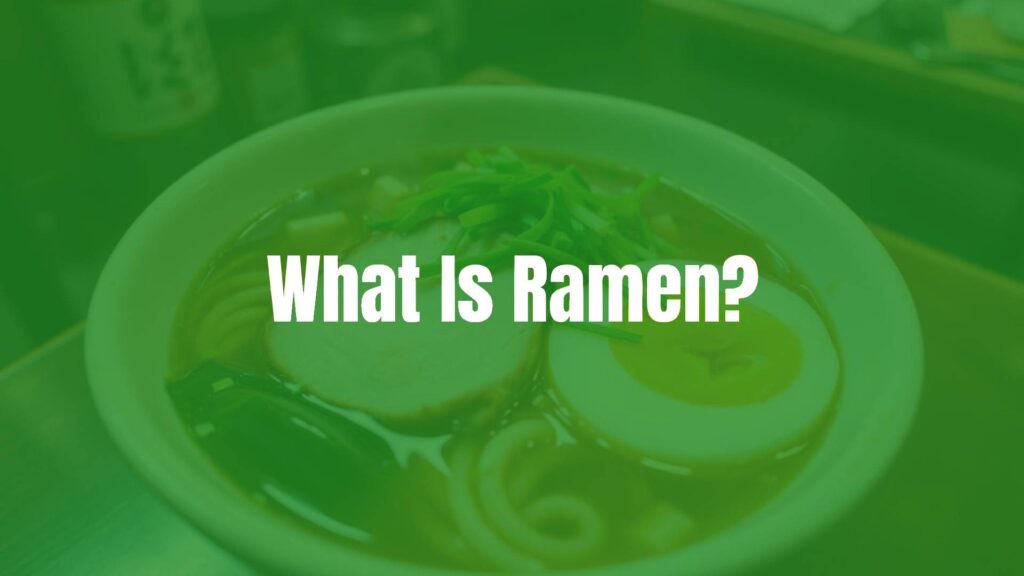
Ramen is a Japanese noodle soup that people all over the world enjoy. It started as a simple food sold on city streets but has grown to become a popular dish found in many restaurants. The basics of ramen are easy: broth, noodles, and toppings. Each part works together to make every bowl tasty and exciting. You can easily find different kinds of ramen with many ingredients, so trying ramen can be a new and different experience each time.
Ramen is more than just a delicious meal; it plays an important part in Japanese culture. It stands for hard work and careful cooking. Many people in Japan eat ramen to get energy for a busy day. From big city neighborhoods to small towns, you’ll find ramen shops everywhere, each bringing their own style and favorite recipes. The way ramen is made, like slowly cooking broth or adding just the right mix of flavors, makes it a food that shows both skill and care.

What Is Ramen?
Ramen is a Japanese soup that uses Chinese-style wheat noodles, many different broths, and a variety of toppings. One thing that makes ramen special is how you can make it in many ways, changing things like region, ingredients, and the chef’s ideas. This flexibility is not common in other Japanese foods, so ramen stands out for allowing all sorts of combinations and personal touches.
When making ramen, cooks start by placing a strong seasoning (called “tare”) and a layer of oil at the bottom of the bowl. Next comes the hot broth, then the noodles, and finally a range of colorful and tasty toppings. This careful order means each part of the dish adds something important to the finished bowl.
Basic Ingredients in Traditional Ramen
There are five main things in classic ramen: broth (soup), tare (seasoning), aroma oil, noodles, and toppings. Each part is made separately and is important to the taste and feel of the ramen.
| Element | Role | Typical Examples |
|---|---|---|
| Broth | Gives depth and body to the ramen | Chicken, pork, fish, vegetables |
| Tare | Supplies seasoning and umami | Soy sauce, salt, miso |
| Aroma Oil | Adds richness and keeps ramen hot | Pork fat, chicken fat, sesame oil |
| Noodles | Gives chewiness and texture | Wheat flour and kansui (alkaline solution) |
| Toppings | Adds flavor, texture, and color | Pork slices, egg, green onions, seaweed |
Broth is made by slowly boiling bones, meat, and vegetables from a few hours to nearly a whole day. This can make the soup clear (Chintan) or milky (Paitan). Broth alone has little salt, so tare seasoning is used to finish the taste. Tare is a thick sauce that can be salty, soy-flavored, or made from miso. Aroma oil gives a fatty layer and special smell, and is often mixed with garlic, onion, or ginger flavors. The noodles are usually made with wheat flour and kansui to make them chewy and yellow. Toppings can include pork (chashu), marinated eggs (ajitama), bamboo (menma), seaweed (nori), and many more, bringing different textures and looks to the bowl.

What Makes Ramen Different From Other Japanese Noodle Dishes?
Japan has several kinds of noodle soups, but ramen is different from noodles like udon and soba mostly because of the noodles themselves and the style of the broth. Ramen noodles use kansui, which gives them a firmer, stretchy feel and a yellow color. Udon noodles are thick and soft; soba noodles are thin and made from buckwheat, but only ramen has that recognizable chewiness.
The soup in ramen is usually much richer and more flavorful than the lighter broth in udon or soba. While udon’s broth might be made with dried seaweed or fish flakes, ramen’s broth is cooked much longer with chicken, pork, or fish bones, making it taste deep and hearty. The extra steps of adding tare and oil, and the freedom to try out different toppings and noodles, make ramen more varied than other Japanese noodle soups. Every area and restaurant may have their own version, so there are always new kinds to try.
Where Did Ramen Come From?
Ramen is now seen as a Japanese food, but it originally came from Chinese noodles. Historians say that people from China brought these noodle soups to Japan in the late 1800s or early 1900s, especially in cities like Yokohama and Nagasaki. At first, these noodles were simply served in broth, with maybe some pork on top, and were called “Chuka soba,” which means “Chinese noodles.”
As time passed, ramen changed in Japan. After World War II, it became much more popular. Cooks mixed local tastes and ingredients into the dish, making it something new and special to Japan. This story shows how Japan can take ideas from other countries and make them their own over time.
How Did the Word “Ramen” Come About?
“Ramen” comes from the Chinese word “lāmiàn,” meaning “pulled noodles.” But these days, most ramen noodles are cut, not pulled, which shows how the food has changed. Early on in Japan, ramen or similar dishes had various names like “Nankin soba” or “Shina soba.” For a long time, “Shina soba” was common, but that name fell out of use as it started to sound offensive. The word “ramen” itself was first used in Japanese writing in 1928, but it meant the noodles alone, not the soup dish. It wasn’t until later that “ramen” meant the full bowl that we think of today.
How Did Ramen Get So Popular in Japan?
Ramen’s growth in Japan fits with the changes in Japanese society in the early 1900s. Chinese restaurants in places like Yokohama were already selling noodles to workers by 1900. A change in the law meant that Chinese people could open restaurants outside their own districts in Japan, making it easier to sell these foods. Food stalls selling ramen became common, sometimes using car horns to catch attention.
In 1910, the first true ramen shop, Rairaiken, opened in Tokyo. It used cooks from China and made ramen to suit Japanese customers. This, plus the invention of a noodle-making machine, helped ramen spread quickly, as it was cheap and filling-just what busy workers needed.

Ramen After World War II
Ramen grew even more important after World War II. Japan had a food crisis, but a big supply of cheap wheat from the U.S. helped more people make noodles. During this time, street food vendors (even those operating without permission) sold lots of ramen, often using flour that was sold under the table. Once rules on selling food were relaxed in the 1950s, many more ramen shops opened. Lots of soldiers came back from China with a liking for ramen, making it even more popular. Ramen quickly became one of Japan’s main foods, showing how people could get by and keep going even in tough times.
Main Types of Ramen
There are many different kinds of ramen, mostly based on the soup and tare (seasoning) used. Most ramen falls into four main groups based on the broth. Noodles and toppings also change depending on the region and the chef, so each bowl can be quite different from another.
| Style | Main Flavor | Main Ingredients | Toppings |
|---|---|---|---|
| Shoyu | Soy sauce | Soy sauce, chicken/pork stock | Egg, bamboo, corn, sprouts |
| Shio | Salt | Salt, chicken, fish, or vegetables | Chicken, fish cake, plum |
| Miso | Fermented soybean paste | Miso, chicken/pork, sometimes fish or lard | Butter, corn, bean sprouts, pork |
| Tonkotsu | Pork bone | Pork bones | Garlic, ginger, sesame, pickled greens |
Details on Broth Types
- Shoyu Ramen: Uses a broth flavored mainly with soy sauce, often savory and a bit sweet, usually with curly noodles and common toppings like bamboo shoots and eggs.
- Shio Ramen: The oldest style, with a clear and salty soup that highlights the taste of the other ingredients, often featuring straight noodles and light toppings.
- Miso Ramen: Miso ramen uses fermented soybean paste for a thick, rich, and slightly sweet soup, first made in northern Japan. It often contains butter, corn, and pork.
- Tonkotsu Ramen: Made by boiling pork bones for a long time, resulting in a creamy, white broth. Usually paired with thin straight noodles and eaten with toppings like pickled ginger or sesame seeds.

Other Important Parts: Noodles, Tare, and Aroma Oil
- Noodles: Made with wheat flour and kansui, which gives them springiness and a slightly yellow color. They can be thin, thick, curly, or straight, depending on the style and what matches the broth best.
- Tare: A strong, salty sauce mixed into the bowl before soup is added. It can be soy sauce-based, salt-based, or miso-based, and is often a special secret recipe of the chef.
- Aroma Oil: A layer of fatty oil, sometimes flavored with garlic or onion, drizzled on top to make the ramen richer and help keep it warm.
Common and Special Toppings
- Chashu: Slices of soft, cooked pork, a favorite in many bowls of ramen.
- Ajitama: Soft-boiled eggs marinated in soy sauce, with soft, flavorful yolks.
- Negi: Chopped green onions for freshness and color.
- Menma: Pickled bamboo shoots which add crunch.
- Nori: Dried seaweed sheets for a hint of ocean taste.
- Kamaboko/Narutomaki: Fish cakes that are often pink and white with a spiral pattern.
- Other: Corn, butter, mushrooms, bean sprouts, pickled ginger, and spicy greens can also appear, depending on the style.
Different Regional Styles of Ramen
- Sapporo (Hokkaido): Thick, hearty miso-based broth, usually topped with corn, butter, and seafood for cold winters.
- Kitakata (Fukushima): Wide, wavy noodles in a savory pork and dried fish broth.
- Tokyo-style: Thin, curly noodles in a soy sauce flavored chicken broth, often with bamboo, pork, and eggs.
- Ie-kei (Yokohama): Thick noodles and a pork-and-soy broth. Customers often choose noodle softness and broth richness.
- Hakata (Kyushu): Thin straight noodles in a rich pork bone broth, served with toppings like crushed garlic and spicy pickled greens.
- Other Unique Types: Wakayama ramen (soy sauce and pork bone), Okinawa ramen (thick noodles and seafood soup), and special flavors like curry ramen or soups served in hot pots.
When Was Instant Ramen Invented?
Instant ramen, the quick and easy meal found in stores everywhere, was created in 1958. It was made to help people get a fast, hot meal when food was short after World War II. Instant noodles made it possible for people to have soup at any time, cheaply and conveniently.
The Story and Spread of Instant Ramen
Momofuku Ando, who led Nissin Foods, invented instant ramen by frying noodles to dry them out, so they could be cooked quickly by just adding hot water. The first product, “Chikin Ramen,” came with dried noodles and a packet of chicken flavor. At first, instant noodles were not cheap, but people liked how fast and easy they were. In 1971, Ando changed his product to “Cup Noodle,” packing the soup and noodles in a Styrofoam cup for easy eating, which made instant noodles more popular worldwide.
Now, instant ramen comes in hundreds of flavors and is made for people with different diets, such as gluten-free or vegan options. It’s considered one of the best inventions in Japan in the 1900s because of how much it changed quick eating everywhere.
Comparing Instant and Restaurant Ramen
| Aspect | Instant Ramen | Restaurant Ramen |
|---|---|---|
| Ingredients | Dried, preserved; more additives | Fresh, high-quality |
| Preparation | Just add hot water, ready in minutes | Broth and noodles made by hand, hours of cooking |
| Toppings | Generally few, dried or powdered | Fresh meats, eggs, vegetables |
| Nutrition | High in salt, low in fresh nutrients | More balanced with protein and vegetables |
| Flavor | Simple, factory-made | Rich, deep, and complex |
Instant ramen is great when you are in a hurry and need something cheap and filling. While restaurant ramen is better in taste and nutrition, instant noodle fans like to add their own touches at home, such as eggs or fresh vegetables, to make it more like the real thing.
Ramen’s Role in Japanese Life
Ramen is more than a meal in Japan-it stands for both comfort and tradition. People eat it when they are tired or want something familiar after a long day. Ramen is also part of special moments, like going out with friends or taking a break from work. Its history shows how Japan has made a simple food into something deeply meaningful.
Why Ramen Is Japan’s Comfort Food
Ramen is known for making people feel better and full. After the war, ramen became a cheap way to fill up. Many workers in Japan still grab ramen as a fast meal after work. People usually eat ramen quickly, enjoying it while it’s hot. In Japan, slurping noodles loudly is normal and even shows you are enjoying the food. For many, eating ramen is both a social event and a personal treat.
Ramen Shops Across Japan
Today there are about 24,000 ramen restaurants in Japan, and about 5,000 in Tokyo alone. These places can be small, with only a few seats, and are often set up for eating alone or in small groups. Many places use ticket machines to make ordering fast. Some shops show you the cooking, while others focus on keeping eating private and peaceful. This mix of efficiency and good food helps ramen stay one of the most popular fast meals in Japan.

Ramen in Movies, Museums, and Symbols
Ramen isn’t just food-it’s also in Japanese movies, museums, and even emojis. The movie “Tampopo” is about making ramen and is famous for showing how much effort goes into every bowl. There are museums like the Shin-Yokohama Ramen Museum and Cupnoodles Museum, where you can learn about ramen’s history and even create your own instant cup noodles. Ramen’s popularity even shows in technology: there’s a special ramen bowl emoji (🍜) that people everywhere can use when talking about noodles on their phones. All of this shows that ramen is a big part of Japan’s culture, both in the country and around the world.