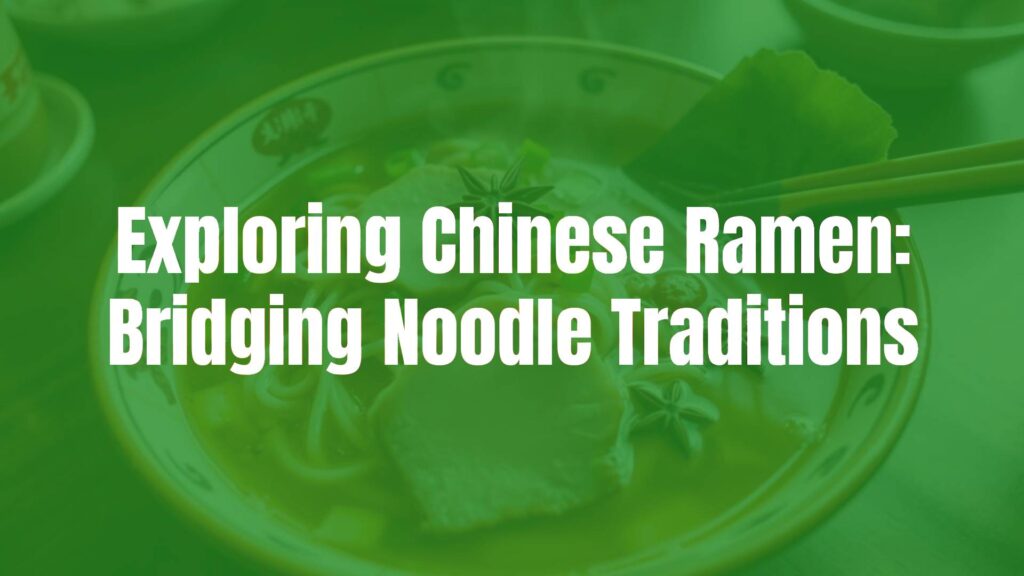
Introduction to Chinese Ramen
The world of noodle soups is vast and diverse, but few dishes invite as much intrigue as Chinese ramen. While ramen is often associated with Japan, its roots and influences are deeply entwined with Chinese culinary traditions. Chinese ramen serves as a bridge between two rich noodle cultures, offering a unique flavor profile and textural experience for enthusiasts of Asian cuisine. This article takes a closer look at what defines Chinese ramen, its distinguishing features, and its growing popularity in global food circles.
What Makes Chinese Ramen Unique?
At its core, Chinese ramen is characterized by the use of wheat-based noodles that commonly have a chewy, springy texture, reminiscent of Chinese lamian—hand-pulled noodles. The broth can vary widely but often leans on clear, aromatic stocks such as chicken, pork, or beef, and incorporates classic Chinese seasonings like soy sauce, star anise, ginger, garlic, and scallions. Unlike Japanese ramen, Chinese ramen may integrate a broader spectrum of spices and herbal notes reflective of regional Chinese cuisine. Preparation methods may include traditional hand-pulling techniques and the use of wok-fired ingredients to impart a smoky, robust undertone.
Signature Flavors and Textures
Chinese ramen offers a balance of umami, savoriness, and sometimes subtle sweetness, depending on regional variations. The aroma often carries hints of warming spices and fresh garlic or scallion. Texturally, the noodles are more elastic compared to many Japanese ramen styles, with a satisfying bite. Regional distinctions abound: for instance, the Beijing style often uses clear beef broth, while Sichuan versions may bring heat and numbing spiciness through chili oil and Sichuan peppercorns. These variations all contribute to the captivating diversity within the umbrella of Chinese ramen.
The Evolution and Distinct Identity of Chinese Ramen
Chinese ramen’s story is one of cross-cultural exchange and adaptation. Noodle soups have been fundamental to Chinese cuisine for centuries, eventually influencing neighboring Japan where ramen would take on new forms. In recent years, as interest in pan-Asian cuisine grows, Chinese ramen has enjoyed renewed attention for its authenticity and depth of flavor. Modern interpretations often blend Chinese and Japanese elements, resulting in exciting new dishes that honor tradition while catering to contemporary palates. This ongoing evolution keeps Chinese ramen fresh and relevant across generations.
Favorite Toppings and Customization Suggestions
Traditional toppings for Chinese ramen reflect the bounty of Chinese culinary staples. Sliced roast pork (char siu), braised beef, soy-marinated eggs, bok choy, bamboo shoots, mushrooms, chopped scallions, and pickled mustard greens are all popular choices. To add texture, fried shallots or garlic crisps are often sprinkled on top. For those crafting their own bowl, experimenting with chili oil, black vinegar, or fermented bean paste can add depth and personal flair.
Ways to Enjoy Chinese Ramen at Home and Beyond
Chinese ramen can be savored at specialized noodle shops or created at home for a rewarding culinary experience. For home cooks, sourcing good-quality wheat noodles—preferably hand-pulled if available—will go a long way in replicating the authentic texture. Broths can be built using simple yet flavorful chicken or beef bases, enhanced with classic aromatics and spices. Exploring local Asian markets often yields a treasure trove of toppings and condiments to further customize each bowl. For dining out, seeking reputable Chinese noodle shops or fusion ramen houses will provide a variety of regional interpretations to try.
Nutrition and Dietary Tweaks for Chinese Ramen
Chinese ramen, like many noodle dishes, can be adjusted to suit a range of dietary preferences. By focusing on leaner broths and adding abundant vegetables, the dish can be relatively light and nutritious. To make it vegan or vegetarian, opt for mushroom or vegetable stock and use tofu or seitan as protein. Gluten-free options are possible with rice-based or alternative noodles, though the characteristic chew may differ. Spice lovers can ramp up the chili oil, while those seeking milder flavors may prefer a cleaner, herb-forward broth.
Conclusion: The Lasting Allure of Chinese Ramen
Chinese ramen remains an enduring favorite for its blend of comforting tradition and dynamic flavors. Its ability to adapt across regions, cultures, and generations speaks to the versatility and appeal of the noodle soup format. Whether you encounter it at a bustling noodle shop or recreate it in your own kitchen, Chinese ramen delivers both nostalgic warmth and room for personal creativity—a testament to the dish’s ongoing charm and significance in the world of Asian cuisine.
