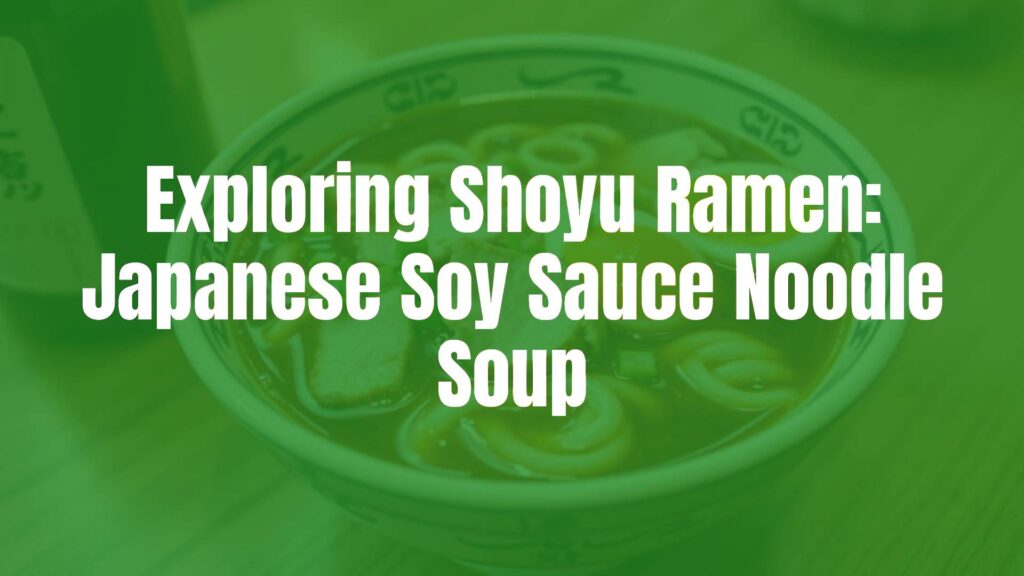
Introducing Shoyu Ramen: A Japanese Classic
Shoyu ramen is one of the original and most iconic styles of Japanese noodle soup. With a base built around soy sauce, this ramen combines a savory, aromatic broth with springy noodles and complementary toppings. Shoyu ramen maintains its status as a staple both in Japan and ramen shops worldwide, prized for its balance and depth of flavor. This article delves into what sets shoyu ramen apart, how it has evolved, and why it continues to capture the palates of ramen lovers everywhere.
Defining Elements of Shoyu Ramen
What gives shoyu ramen its signature character is its seasoned soy sauce broth. Traditionally, the soup starts with a clear or lightly cloudy chicken, pork, or sometimes fish stock, and is then enriched with a tare—a concentrated mixture of Japanese soy sauce along with other seasonings like mirin, sake, or aromatics. The noodles are typically medium-thin and curly, designed to soak up the flavorful broth without becoming soggy. Toppings often include sliced chashu pork, menma (fermented bamboo shoots), nori (dried seaweed), green onions, and a soft-boiled egg, all layered to highlight the soup’s nuanced flavors.
Key Flavors and Characteristics
Shoyu ramen features a balanced combination of salty, savory (umami), and subtly sweet notes. The broth is usually lighter and clearer than tonkotsu (pork bone) ramen, with a distinct soy sauce fragrance that is instantly recognizable. Tastes can range from delicate and refined in Tokyo-style shoyu ramen to deeper, richer variations found across Japan. The aroma is inviting, thanks to the interplay of soy, broth, and garnishes. Variations might feature chicken-only broths, regional soy sauces adding unique nuances, or creative ingredients that provide local flair.
The Special Legacy and Evolution of Shoyu Ramen
As the oldest recognized ramen style in Japan, shoyu ramen’s roots stretch back to the early 20th century in Tokyo. Its approachable profile quickly made it a mainstay in ramen shops and home kitchens alike. Over time, the dish has inspired countless interpretations—some lean on tradition, preserving clear chicken broths, while others experiment with richer stocks or non-traditional toppings. Worldwide, shoyu ramen embodies adaptability: it both anchors classic Japanese cuisine and invites global reinterpretation.
Favorite Toppings and Personalization Tips
Typical shoyu ramen toppings include tender slices of chashu pork, ajitama (seasoned eggs), crisp menma, narutomaki (fish cake), and fresh scallions. To customize your bowl, consider adding corn, spinach, mushrooms, or even spicy chili oil for a lively kick. For plant-based twists, marinated tofu or grilled vegetables pair beautifully with the soy-infused broth. Experimenting with various seaweed types or pickled accompaniments can also lend extra layers of flavor.
Making the Most of Shoyu Ramen: At Home or Dining Out
If exploring shoyu ramen at home, focus on sourcing a high-quality soy sauce and building a flavorful base stock. While specialized ramen noodles are ideal, other springy wheat noodles can be substituted. Don’t be afraid to personalize toppings according to your tastes and available ingredients. At restaurants, ask about broth preparation and noodle texture to find your ideal style, and sample region-specific takes when possible.
Nutritional Insights and Adaptations
Shoyu ramen generally contains less fat than heavier ramen types, especially when prepared with chicken or vegetable stock. For lighter or dietary-conscious options, consider reducing sodium by adjusting the soy sauce or choosing low-sodium versions. Vegetarian and vegan adaptations are easy to achieve with plant-based broths and protein swaps. For those with gluten sensitivities, seek out gluten-free noodles and tamari as a soy sauce alternative. Spice enthusiasts can freely add chili or sichuan pepper for more intensity.
Why Shoyu Ramen Remains a Timeless Favorite
Shoyu ramen’s enduring popularity is rooted in its harmonious flavors, adaptability, and storied heritage. Whether enjoyed as a comforting home-cooked meal or as a specialty at ramen shops, this soy sauce-based noodle soup continues to represent the heart of Japanese ramen culture while inviting innovation and creativity. Its welcoming character and depth make it a must-try for both ramen novices and aficionados alike.
