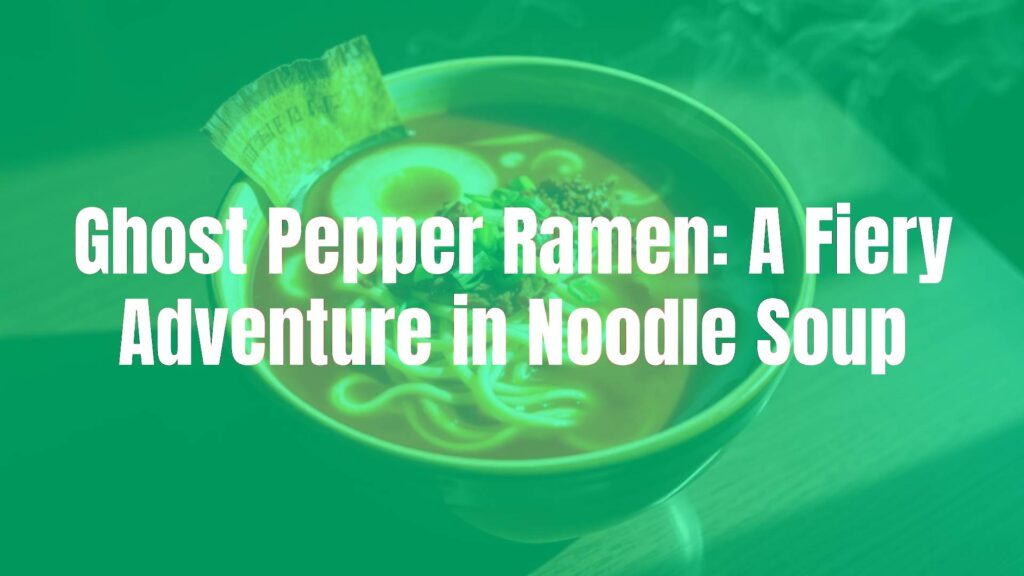
Introduction to Ghost Pepper Ramen
Ghost pepper ramen has emerged as a thrilling culinary experience for spice enthusiasts and adventurous eaters. Renowned as one of the spiciest ramen variations available, it brings together the heartwarming nature of traditional noodle soup with the intense heat of ghost peppers, also known as Bhut Jolokia. Let’s dive into the world of ghost pepper ramen and discover what makes this dish uniquely exhilarating in the vast landscape of ramen styles.
What Defines Ghost Pepper Ramen?
The defining feature of ghost pepper ramen is, unsurprisingly, its signature ingredient: the ghost pepper. This chili ranks among the hottest peppers in the world and infuses both the broth and toppings with a distinctively incendiary quality. The broth base varies—most commonly shoyu (soy sauce), miso, or chicken—as these flavors stand up well to the ghost pepper’s overwhelming heat. Noodles are typically medium or thick, providing enough substance to balance the spiciness. Toppings may be traditional but often lean toward simple, allowing the pepper’s fire to shine through. Preparation methods usually emphasize careful handling of ghost peppers to harness their flavor without overpowering the dish.
Key Characteristics and Flavor Profile of Ghost Pepper Ramen
Ghost pepper ramen is defined by a powerful heat that builds gradually, enveloping the palate with an intense, lingering spice. The broth may carry earthy, savory, and smoky notes beneath the pepper’s fiery punch, while the noodles offer chewy resilience—a welcome contrast to the broth’s boldness. The aroma is unmistakable: spicy, almost floral, with subtle undertones depending on the broth base. Regional and restaurant-driven variations may adjust the broth’s richness or the heat’s intensity, but the pepper’s dominance remains core to the experience.
The Unique Appeal and Evolution of Ghost Pepper Ramen
This ramen’s appeal lies in its almost dare-like quality, attracting those who seek a challenging, memorable meal. While spicy ramen varieties have long existed in Japan and beyond, the use of ghost pepper—a chili native to India—represents a fascinating cross-cultural twist. The dish has evolved from a novelty menu item to a celebrated challenge, with dedicated fans appreciating not just the spice but the craftsmanship required to balance flavor and heat. Social media and food shows have helped catapult ghost pepper ramen into the global spotlight, encouraging competitive eaters and everyday diners alike to test their limits.
Popular Toppings and Customization Ideas for Ghost Pepper Ramen
Ghost pepper ramen toppings tend to favor simplicity, as the broth’s heat takes center stage. Common choices include:
- Chashu pork or grilled chicken: Mild yet rich proteins to mellow the heat
- Soft-boiled eggs: Their creamy yolks help temper spiciness
- Menma (bamboo shoots): Crunch and earthiness
- Scallions: Freshness and light sharpness
- Nori (seaweed): Umami balance
- Corn or sweet peppers: Touches of sweetness
- Lime wedges: For a citrusy lift that cuts through the heat
Creative customizations include adding cooling elements like a dollop of yogurt, extra greens for crunch, or even cheese for a fusion twist and creaminess.
Tips for Enjoying Ghost Pepper Ramen at Home or Out
If you’re making ghost pepper ramen at home, begin with a small amount of ghost pepper—its capsaicin content is intense, and a little goes a long way. Wear gloves when handling raw peppers and take care not to inhale fumes when cooking. For store-bought or restaurant versions, start sipping the broth cautiously before diving in. If dining out, ask about the spice levels and if options for dialing it down are available. When sourcing ingredients, look for dried or fresh ghost peppers at international markets or specialty stores, or opt for hot sauces containing ghost pepper for easier control.
Nutritional Considerations and Dietary Adaptations for Ghost Pepper Ramen
While ghost pepper ramen can be high in sodium and calories depending on broth and toppings, it is also packed with vitamins from chilies and vegetables. Those seeking healthier options can use whole wheat or gluten-free noodles, leaner proteins, and a vegetable-rich broth. For vegetarian or vegan variations, swap animal-based broths for robust mushroom or miso bases and omit the meat. Adjusting spice levels is crucial for tolerability—mix in a milder chili or use less ghost pepper to suit individual preferences. For anyone with sensitive digestion, go slow and consider keeping dairy on hand; milk and yogurt are especially effective at reducing chili burn.
Conclusion: The Enduring Charm of Ghost Pepper Ramen
Ghost pepper ramen is more than just a meal—it’s a culinary adventure that dares diners to embrace spice in its most electrifying form. Its captivating heat, combined with the comforting elements of classic ramen, creates an unforgettable, boundary-pushing dish. Whether savored for the thrill or the flavor, ghost pepper ramen continues to make its mark on the global food scene, standing as a testament to both tradition and innovation in noodle culture.
