Introduction to Tonkotsu Ramen
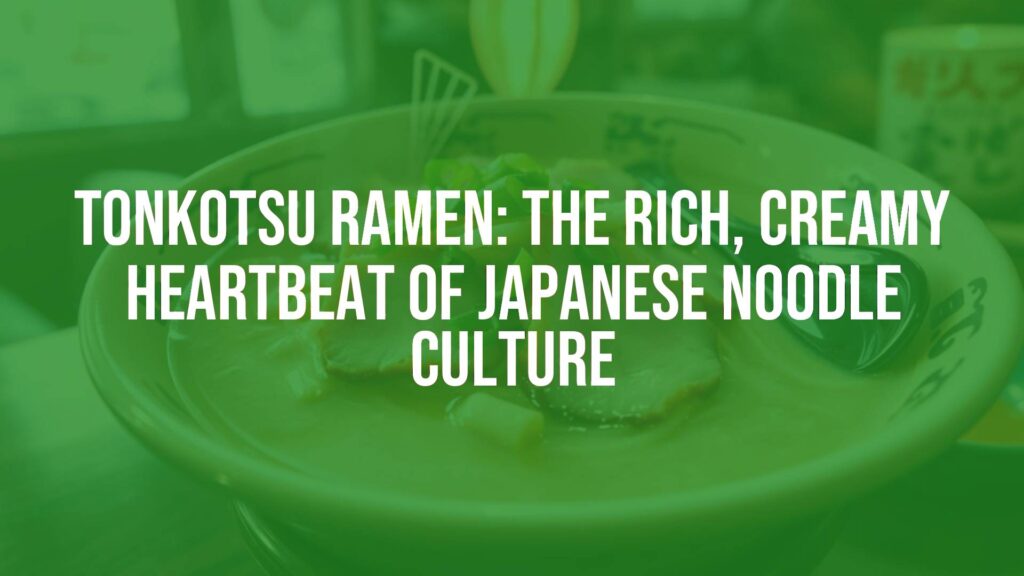
Tonkotsu ramen has earned its reputation as one of Japan’s most luxurious and iconic noodle dishes, originating from the southern island of Kyushu. Famous for its irresistibly creamy, opaque pork bone broth, this ramen style offers eaters a sensory journey through layers of depth, richness, and umami unlike any other. Whether you’re a devoted ramen enthusiast or a curious newcomer, tonkotsu ramen has a singular way of capturing the imagination—and palate—of anyone who encounters it.
What Makes Tonkotsu Ramen Unique?
The essence of tonkotsu ramen is found in its signature broth. Pork bones are simmered vigorously for many hours, often upwards of 12, until the collagen and fat emulsify into a milky, almost silky soup base. This process imparts the soup with its trademark thickness and body. Noodles in tonkotsu ramen are typically thin, straight, and have a firm texture, offering a perfect counterpoint to the rich broth. Common toppings include tender chashu (braised pork belly), wood ear mushrooms, pickled ginger, green onions, and a perfectly soft-boiled egg, each adding their unique personality to the bowl. Unlike other ramen styles that might play up soy sauce or miso, tonkotsu relies almost entirely on the pure, porky essence of its stew.
Distinctive Qualities and Flavor Experience
Tonkotsu ramen’s flavor profile is unapologetically bold, featuring a deep, savory richness balanced by the smoothness of its creamy broth. The aroma carries hints of roasted pork and simmered marrow, with subtle undertones of garlic or ginger depending on the shop and region. Japanese regions have put their own stamp on tonkotsu ramen: Hakata, for example, is celebrated for its extra-thin noodles and intensely robust broth, while Kurume style often includes more aromatic oils and toppings. Each bowl is both heartwarming comfort food and a study in culinary technique.
The Distinct Appeal and History of Tonkotsu Ramen
First appearing in Fukuoka’s Hakata district after World War II, tonkotsu ramen began as a quick, nutritious meal for busy workers. Over time, it evolved into a dish absorbing local preferences and chef-driven innovations, eventually spreading across Japan and the globe. Its evolution is tied closely to Kyushu’s culture, but the luxurious, filling nature of its broth has made it beloved everywhere. Today, tonkotsu ramen is a staple in ramen shops and specialty chains, both in Japan and abroad, prized for its distinctive character and comforting richness.
Favorite Garnishes and Creative Variations
Essential toppings for tonkotsu ramen include thinly sliced chashu pork, marinated ajitsuke tamago (seasoned egg), scallions, kikurage (wood ear fungus), and pickled red ginger. The flavors are often punched up with garlic chips, spicy sesame oil, or a dollop of spicy miso paste. For adventurous eaters, extra black garlic oil (mayu) or crunchy tempura flakes can add new textural layers. Noodle firmness is often customizable, from super-firm (barikata) to regular, to suit personal preferences and highlight the interplay with the broth.
Enjoying Tonkotsu Ramen at Home and Beyond
Recreating the tonkotsu experience at home can be deeply rewarding. While a true bone broth requires patience and a long simmer, home cooks can experiment with shorter cooks by using pressure cookers or blending pork bones with aromatics for enhanced flavor. Sourcing high-quality ramen noodles, fresh aromatics, and premium pork are keys to authenticity. When visiting ramen-ya (ramen shops), don’t be shy about requesting your preferred noodle firmness or requesting extra toppings. Pairing your bowl with pickled side dishes or rice can also enhance the meal.
Nutritional Elements and Adaptable Options
Tonkotsu ramen is undeniably rich in protein and fats, which provide its intense flavor and luxurious mouthfeel. Those seeking lighter or more diet-friendly variants might opt for leaner meat, less fatty broth, or increased vegetable toppings. Vegetarian and vegan versions are emerging, using soy milk, aromatic mushrooms, or plant-based oils to approximate the classic creaminess without animal products. Gluten-free noodle substitutes are also available in many specialty stores, making it easier than ever for everyone to enjoy a bowl of tonkotsu-inspired ramen.
Conclusion: The Timeless Attraction of Tonkotsu Ramen
Tonkotsu ramen’s unique profile—rich, creamy, and deeply satisfying—continues to inspire chefs, home cooks, and ramen lovers alike. Its history, adaptability, and sheer comfort ensure it remains a foundational pillar of Japanese noodle cuisine. Whether enjoyed in a bustling Fukuoka eatery or your own kitchen, tonkotsu ramen is a powerful reminder of how a simple bowl of noodles can become a beloved, global comfort food.
